
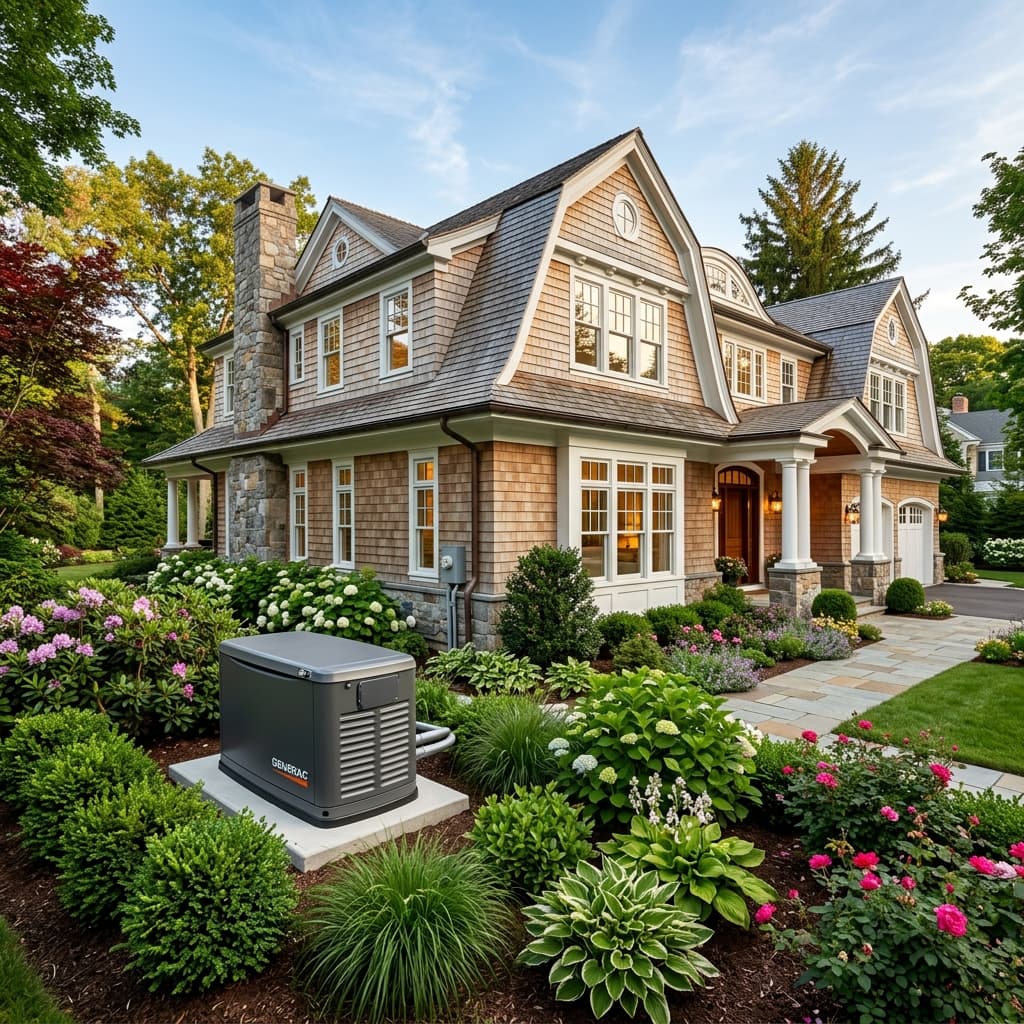
Storm Resilience

Generator Readiness & Backup Power for Connecticut Storms

When the power goes out, the right plan matters. We help organize critical loads, panel questions, placement, fuel-source considerations, and the trade scope so generator decisions are based on the home instead of guesswork.

Critical-load planning
Transfer switch coordination
Sump and Wi-Fi backup
Storm readiness
Scope Boundary

Connecticut Contracting coordinates planning, project management, concrete pad work, and site readiness. Regulated electrical, gas, utility, and plumbing work must follow the appropriate trade, permit, and inspection requirements.

CT HIC.0705773 — Licensed & Insured
Licensed CT HIC.0705773
Verified Track Record
100+ Projects Completed
Permitted & Code-Compliant
All of Connecticut

Why homeowners call

The problem is real, but the scope is unclear.

Generators & Backup Power requests usually start with a mix of photos, timing, access, budget, product questions, and trade questions. We turn that loose context into a cleaner starting point.

How we prepare

Details first, guessing second.

We review the property context, what already happened, what needs to be solved, and what may require trade, permit, inspection, material, or site-access planning.

What happens next

You get a practical next step.

The request can move toward an estimate, site visit, photo review, phased scope, or better trade handoff instead of another vague callback loop.

What We Handle

Sharp project scope before work starts.

The goal is to make the first decision easier: what is wrong, what details matter, what needs review, and what next step fits the project.

Backup Power Review

We identify the systems that matter most during an outage and map the practical route to keep them online.

  • Critical systems list
  • Panel review
  • Load planning
  • Fuel source discussion
  • Placement discussion
  • Cost range

Essential Power Package

For many homes, the best first step is keeping the core comfort, water, communication, and daily-use systems powered.

  • Furnace or boiler controls
  • Refrigerator and freezer
  • Sump pump
  • Wi-Fi/router
  • Select lights
  • Medical-device outlet planning

Whole-Home Resilience

Larger plans can combine standby generator readiness with sensors, security backup, and storm-response documentation.

  • Automatic transfer switch coordination
  • Gas/propane coordination
  • Pad planning
  • Leak and freeze sensors
  • Security backup
  • Family emergency plan
Planning Ranges

Budget context before the scope drifts.

Every home starts in a different condition. These ranges frame the conversation; photos, access notes, material choices, trade needs, and site conditions shape the final written scope.

$350 - $65,000+

Typical planning range across review, repair, phased project, and larger scope options.

Generator Readiness Review

$350 - $750

Critical-load, panel, placement, and fuel-source planning before committing to equipment.

  • Load list
  • Panel review
  • Placement review
  • Transfer switch planning

Essential Backup Power

$8,500 - $18,500+

Critical circuits and transfer readiness for the systems that matter most.

  • Critical circuits
  • Transfer switch coordination
  • Generator coordination
  • Electrical trade scope

Storm Resilience Package

$25,000 - $65,000+

Generator readiness plus water, freeze, Wi-Fi, lighting, access, and household preparedness layers.

  • Generator path
  • Sump backup
  • Leak/freeze sensors
  • Household readiness notes
Common Questions

Planning Before the Project Starts

Should the electrical panel be reviewed before choosing a generator?

Yes. The panel, transfer switch path, critical-load list, and available capacity shape whether an essential-load or whole-home generator plan makes sense.

What should be backed up for aging parents during an outage?

Common priorities include heat, refrigeration, sump pump, Wi-Fi/router, select lighting, medical-device outlets, smart locks, security equipment, and phone charging.

Who performs generator electrical tie-ins?

Regulated electrical, gas, and plumbing work must be handled under the appropriate trade, permit, and inspection requirements. Connecticut Contracting coordinates the project context and related site-readiness work.

Start With the Details

Send the problem. We will help sort the next step.

Share photos, timing, location, access notes, budget context, and anything already tried. A cleaner request gives the estimate conversation a real starting point.

Start your project

Ready to get your project moving forward?

Send us the details — the problem, address, timeline, and any photos. We review everything and follow up with a clear next step.