
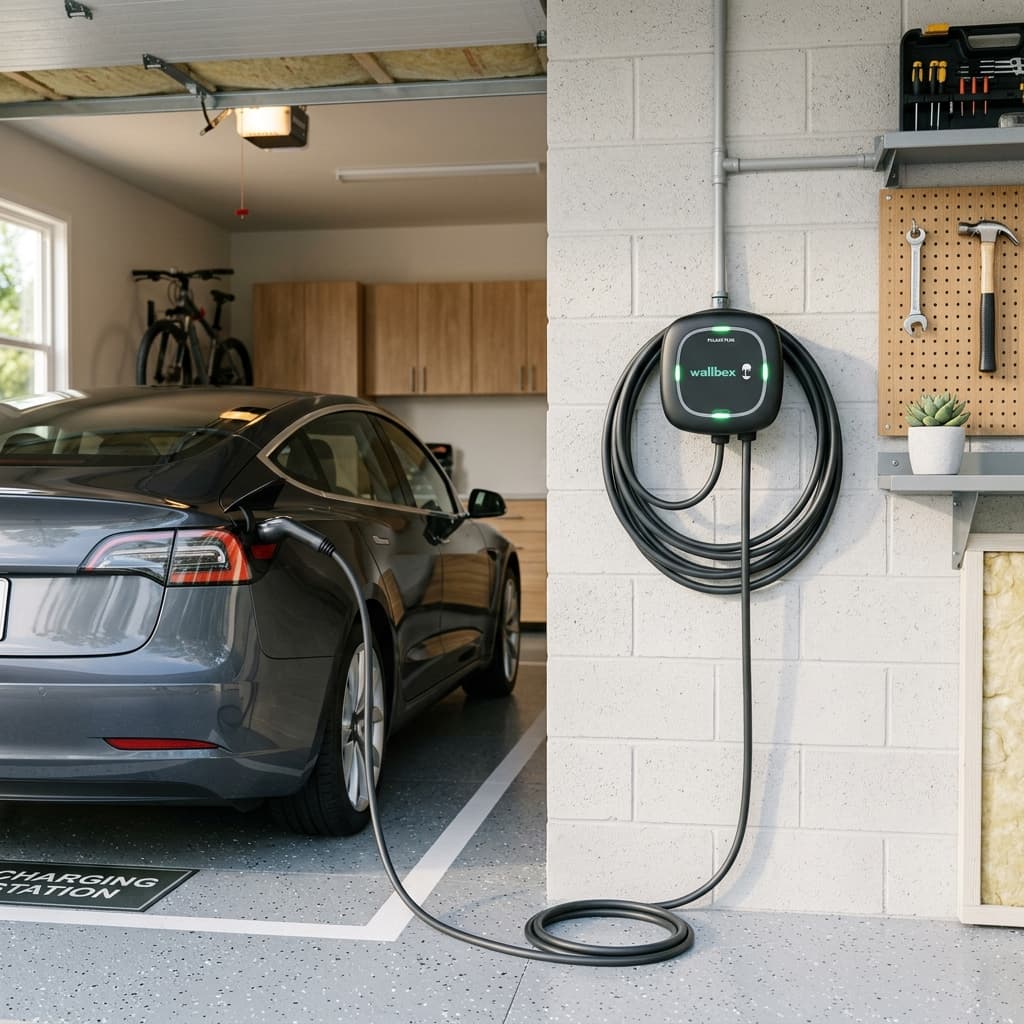
EV Readiness

EV charger readiness and 240V outlet planning

Charge at home with fewer surprises. We help organize panel photos, charger location, parking access, circuit-path questions, permit needs, and the required electrical trade handoff before the work path is finalized.

Panel-photo review
Circuit-path planning
NEMA 14-50 questions
Level 2 charger coordination
Scope Boundary

Connecticut Contracting manages planning, pathway, mounting, and coordination scopes. Final electrical connections, high-voltage wiring, and panel modifications must be handled under the appropriate electrical trade, permit, and inspection requirements.

CT HIC.0705773 — Licensed & Insured
Licensed CT HIC.0705773
Verified Track Record
100+ Projects Completed
Permitted & Code-Compliant
All of Connecticut

Why homeowners call

The problem is real, but the scope is unclear.

EV Charger & 240V Outlet Readiness requests usually start with a mix of photos, timing, access, budget, product questions, and trade questions. We turn that loose context into a cleaner starting point.

How we prepare

Details first, guessing second.

We review the property context, what already happened, what needs to be solved, and what may require trade, permit, inspection, material, or site-access planning.

What happens next

You get a practical next step.

The request can move toward an estimate, site visit, photo review, phased scope, or better trade handoff instead of another vague callback loop.

What We Handle

Sharp project scope before work starts.

The goal is to make the first decision easier: what is wrong, what details matter, what needs review, and what next step fits the project.

EV Load and Panel Review

Before a new 240V circuit is planned, the panel, available spaces, existing loads, and service constraints need to be reviewed by the appropriate electrical trade.

  • Panel photos and labels
  • Available breaker spaces
  • Load questions
  • Service-size context
  • Upgrade planning if required
  • Load-management options

240V Outlet and Charger Placement

The best charger location depends on where the vehicle parks, how the cable reaches the charging port, weather exposure, wall structure, and the route from the panel.

  • NEMA 14-50 outlet planning
  • Hardwired charger mounting context
  • Conduit path questions
  • Weatherproof enclosure needs
  • Cord management
  • Access and parking alignment

Required Trade Coordination

High-voltage wiring, panel changes, permits, inspections, and final electrical sign-off must be handled under the appropriate electrical requirements.

  • Permit-path awareness
  • Trade-scope handoff
  • Inspection coordination
  • Completion documentation
  • Utility rebate questions
  • Product registration notes
Planning Ranges

Budget context before the scope drifts.

Every home starts in a different condition. These ranges frame the conversation; photos, access notes, material choices, trade needs, and site conditions shape the final written scope.

$350 - $4,500+

Typical planning range across review, repair, phased project, and larger scope options.

EV Charger Readiness Review

$350 - $750

Panel-photo, parking, pathway, and site-context review before purchasing charger hardware.

  • Panel-photo review
  • Pathway layout planning
  • Rebate questions
  • Upgrade requirement routing

Standard 240V Outlet Coordination

$1,200 - $2,800

Dedicated 240-volt circuit and NEMA 14-50 outlet coordination for plug-in chargers.

  • Pathway and access notes
  • Outlet and box location
  • Electrical trade scope
  • Permit and inspection coordination

Hardwired Level 2 Charging Station

$1,800 - $4,500+

Coordinated hardwired Level 2 charger path for Tesla, ChargePoint, Wallbox, and similar equipment.

  • Mounting location
  • Circuit requirement routing
  • Smart feature setup questions
  • Electrical connection and sign-off scope
Common Questions

Planning Before the Project Starts

What is the difference between Level 1 and Level 2 charging?

Level 1 charging uses a standard 120V household outlet and provides 3-5 miles of range per hour. Level 2 charging uses a 240V circuit (similar to a clothes dryer or stove) and can charge your vehicle 5-10 times faster, providing 15-40 miles of range per hour.

Will I need to upgrade my electrical panel to install an EV charger?

Not always. Many homes have enough capacity to support a 40-amp or 50-amp circuit. However, if your home has a 100-amp service or is already running high-load appliances like heat pumps or electric ranges, a panel upgrade or a smart load-management system may be necessary.

Can you install EV chargers outdoors?

Outdoor charger planning should account for weather-rated equipment, enclosure needs, conduit path, GFCI requirements, parking position, and inspection requirements. The electrical connection and sign-off must follow the appropriate trade and permit path.

Start With the Details

Send the problem. We will help sort the next step.

Share photos, timing, location, access notes, budget context, and anything already tried. A cleaner request gives the estimate conversation a real starting point.

Start your project

Ready to get your project moving forward?

Send us the details — the problem, address, timeline, and any photos. We review everything and follow up with a clear next step.