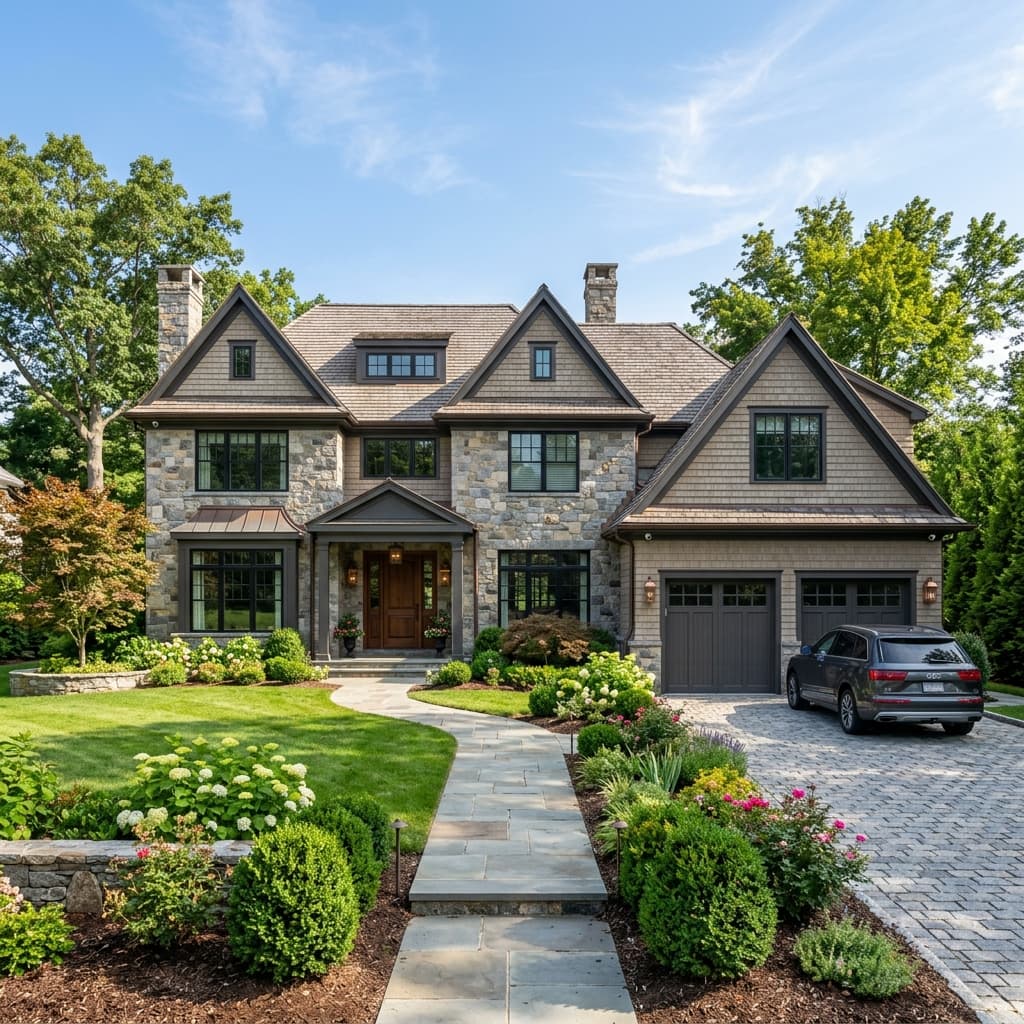
Emergency response driven by triage and stabilization
When water is pouring or a tree hits the roof, you need the situation stabilized first. We coordinate the immediate response to stop the damage, document the scene, and plan the actual repair when the dust settles.
Emergency Repair Coordination requests usually start with a mix of photos, timing, access, budget, product questions, and trade questions. We turn that loose context into a cleaner starting point.
How we prepare
Details first, guessing second.
We review the property context, what already happened, what needs to be solved, and what may require trade, permit, inspection, material, or site-access planning.
What happens next
You get a practical next step.
The request can move toward an estimate, site visit, photo review, phased scope, or better trade handoff instead of another vague callback loop.
What We Handle
Sharp project scope before work starts.
The goal is to make the first decision easier: what is wrong, what details matter, what needs review, and what next step fits the project.
Immediate Triage & Safety
The first priority is stopping the active damage and ensuring the area is safe for occupants and tradespeople.
Water shutoff coordination
Electrical safety checks
Temporary tarping
Hazard isolation
Documentation for Insurance
Before major tear-out begins, we thoroughly document the initial damage. These photos and notes are critical for any subsequent insurance claims.
Before photos
Damage extent notes
Cause identification
Initial reporting
Follow-Up Scope Planning
Once the emergency is controlled, we transition to planning the permanent repair, coordinating the right trades without the chaos of an active crisis.
Permanent repair scope
Specialist routing
Material planning
Schedule coordination
Planning Ranges
Budget context before the scope drifts.
Every home starts in a different condition. These ranges frame the conversation; photos, access notes, material choices, trade needs, and site conditions shape the final written scope.
$500 - $2,500+
Typical planning range across review, repair, phased project, and larger scope options.
Stabilization Dispatch
$500 - $950
Immediate coordination to stop active leaks, secure broken doors/windows, or assess safety.
Urgent dispatch
Temporary stabilization
Safety assessment
Photo documentation
Damage Triage & Mitigation
$950 - $2,500
Coordinating water extraction, heavy tarping, or structural shoring while documenting for insurance.
Mitigation trade routing
Extensive documentation
Debris clearing
Next-step planning
Full Restoration Coordination
Custom Quoted
Managing the transition from emergency stabilization through the complete permanent rebuild.
Insurance scope review
Multi-trade scheduling
Material sourcing
Final restoration
Common Questions
Planning Before the Project Starts
Do you work directly with my insurance company?
We work for you, not the insurance company. We provide you with the detailed documentation, photos, and itemized scopes you need to support your claim effectively.
Are you available 24/7?
We offer priority coordination for active clients and property managers. While we triage emergencies quickly, heavily regulated tasks (like main electrical line damage) must wait for utility response.
What is the difference between stabilization and repair?
Stabilization stops the bleeding—putting a tarp on a roof or shutting off a burst pipe. Repair is the planned, permitted process of putting the home back together properly.
Start With the Details
Send the problem. We will help sort the next step.
Share photos, timing, location, access notes, budget context, and anything already tried. A cleaner request gives the estimate conversation a real starting point.